
Holiday Arrangements
New Year’s Day arrangement: There will be a 3-day holiday from January 1st (Thursday) to 3rd (Saturday), 2026. January 4 (Sunday) is a working/class day to make up for the classes scheduled on January 2(Friday).
Dormitory safety
一、The use of electricity in dormitory
1.Disconnect the computer, mobile phone, wireless speaker and other devices with the charger when leaving the dormitory. Don’t let the electrical equipment under charging without human supervision for a long time.
2.Don’t transfer the cable tray from the dormitory weak current equipment box, air conditioning socket and other things. It is strictly prohibited to put the cable tray on the bed to charge the mobile phone and other electrical equipment.
3.Don’t touch the surface of electrical shell with wet hands or cloth. Don’t hang objects or clothes on the wire, or hang the wire directly on the nails to prevent electric shock.
4.Don’t use illegal electrical equipment. Illegal electrical equipment are the primary criminal renders to students’ dormitory fire. Such as hot, rice cooker, electric kettle, hair dryer, electric blanket, etc., the use of high-power electrical appliances in the dormitory is very easy to cause wire overload, circuit short circuit and fire accidents. 5.Report timely if find wires with damaged insulation, lamps, switches and sockets. Please ask the electrician to repair. Students don’t touch them.
二、The prevention of fire in dormitory
1.Don’t use open fire, smoke or burn debris in the dormitory.
2.Electrical equipment like quick-heating and heaters are strictly forbidden in students’ dormitory.
3.Don’t pull wires and networks cables randomly.
4.When leaving the dormitory, remember to shut off all electrical equipment like chargers or computers.
5.It is strictly forbidden to store inflammable and explosive materials in the dormitory.
6.Pay attention to the location and use of firefighting equipment in the dormitory, and be familiar with the safe passage in the dormitory. Learn to use common fire extinguishers.
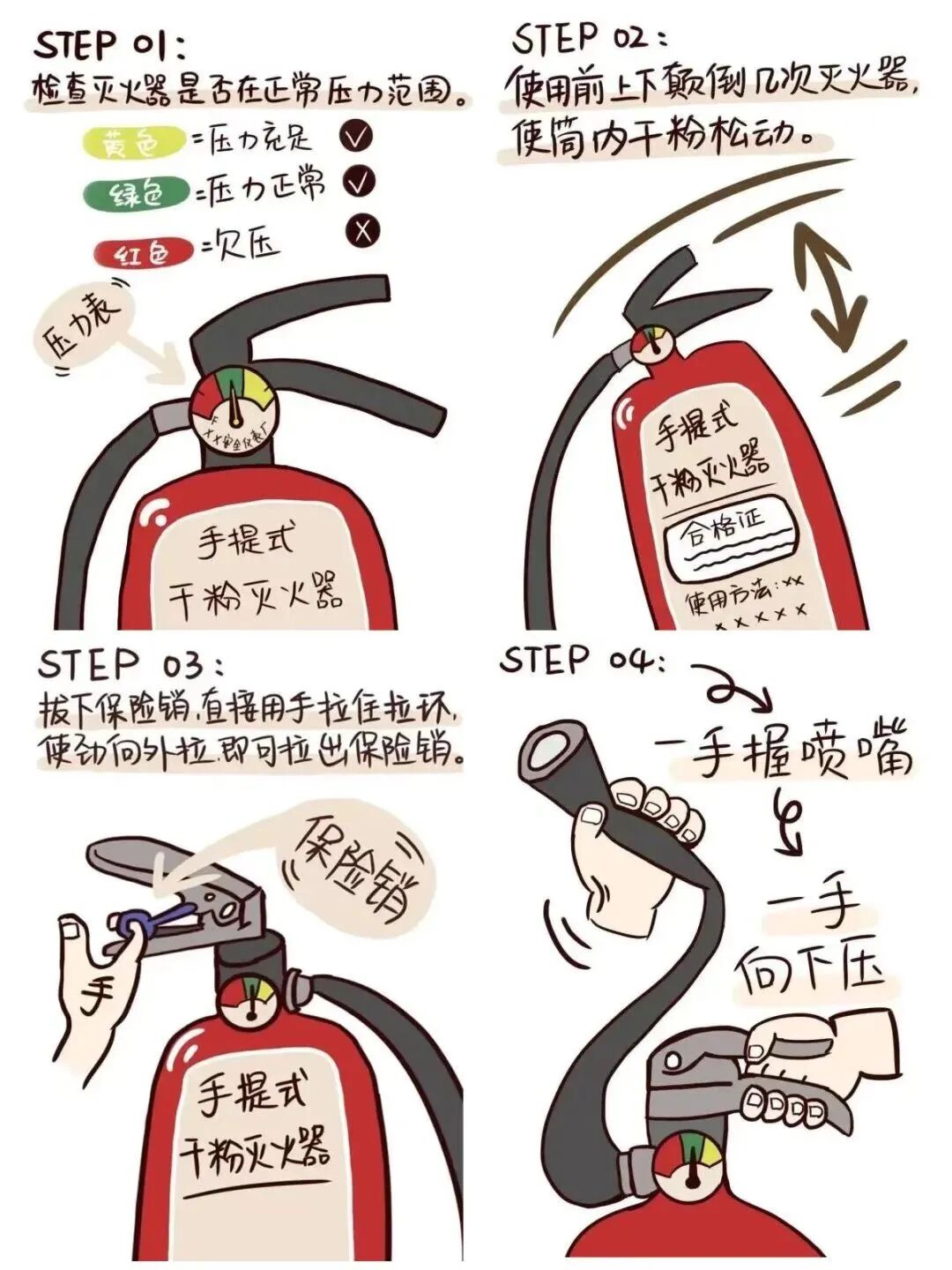
Personal and property safety
1.Keep your valuable safe. Valuables are the best locked in drawers and cabinets when not in use. Keep the keys with you and do not lend them easily.
2.Pay attention to personal safety precautions. Do not swim privately to prevent drowning accidents; Those with specific physical conditions or specific illnesses who are unable to participate in certain educational and teaching activities should inform the school and parents in a timely manner; Actively participate in various safety education and emergency drills organized by the school to enhance safety literacy and self rescue and evacuation capabilities.
3.Comply with dormitory management regulations. Lock the doors and windows when going out, and it is strictly prohibited to return late or stay overnight without reason. It is not allowed to stay in the dormitory for others, and it is not allowed to rent a house outside the campus without approval. Be vigilant when traveling. Be vigilant and observe strangers with suspicious appearances
4.Strictly follow the procedures for leaving school and inform the destination in a timely manner. If you need to leave school, you must ask for leave and report to the counselor, and only after approval can you leave the school; Avoid going alone to unfamiliar and remote places, avoid going out alone at night, and inform the class monitor, roommates, and parents of personal whereabouts and contact information. When participating in work study, social practice, internships and job seeking activities, schools and parents should be informed to be cautious of illegal organizations such as pyramid schemes and cults.
Network security
一、Be wary of netizens
1.When chatting or making friends online, do not easily tell the other person your phone number, address, and other personal and information.
2.Do not easily meet with netizens, and if necessary, have trusted classmates or friends to accompany you. Try to choose public places and places with more people for dates.
3.When chatting online, do not easily click on links or files of unknown origin.
4.Be wary of online pornographic chats.
二、Telecom Fraud
1."Not trusting"
Don't trust phone calls and text messages with unknown origins, no matter what kind of rhetoric criminals use, don't easily believe them.
2."Not to be disclosed"
Under no circumstances should personal identity information, payment passwords, verification passwords, and financial information be disclosed.
3."No transfer"
Strangers must verify transfers and remittances.
4."Do not brush orders"
Not involved in any activities related to brushing orders. Don't have the mentality of "seeking cheap goods", "getting rich overnight", and "pie falling from the sky".
Traffic Safety
1.Observe traffic rules: Follow the traffic rules within the campus, including obeying traffic signs, signals, and giving way to pedestrians.
2.Control your speed: Maintain an appropriate speed according to the conditions of the campus roads and pedestrian density, and avoid speeding.
3.Give priority to pedestrians: Give pedestrians the right of way, especially on sidewalks and pedestrian crossings. Slow down in a timely manner. Avoid crossing the campus: Avoid walking through the campus, especially in areas with heavy pedestrian traffic, to reduce conflicts with pedestrians and other vehicles.
4.Develop the habit of wearing helmets and seat belts: Do not ride without a helmet and do not drive or ride a vehicle without fastening the seat belt. Do not carry passengers on electric bikes.
5.When walking on campus, pay attention to your surroundings and do not constantly look down at your phone.
Psychological Safety
1.Establish good lifestyle habits. Good lifestyle habits are an important foundation for maintaining mental health. College students should maintain a regular sleep schedule, engage in appropriate physical exercise, have a balanced diet, and avoid staying up late and excessive use of electronic devices such as smartphones.
2.Actively participate in social activities. College students should actively participate in various social activities to expand their social circle, enhance self-confidence, and improve interpersonal relationships. At the same time, they should also learn to refuse unnecessary social activities and maintain their own space and time.
3.Learn to relax and regulate emotions. College students should learn to relax and regulate their emotions to avoid excessive anxiety and tension. This can be achieved through activities such as listening to music, watching movies, traveling, as well as engaging in sports and meditation to regulate emotions.
4.Seek psychological counseling and support. If college students encounter psychological distress, they should seek timely psychological counseling and support. Help can be sought through the school's psychological counseling center, counselors, and other channels.
5.Participate in mental health education and training. College students can participate in mental health education and training to gain knowledge and skills related to mental health, and improve self-awareness and psychological regulation abilities.
Others
1.Do not engage in any drug-related activities. Violators will be severely punished. In China, substances like marijuana, opium, heroin, methamphetamine, morphine, and cocaine are considered drugs. Drug use in China is a serious illegal act, and smuggling, trafficking, transporting, or manufacturing drugs are considered serious criminal offenses.
2.Illegal work is prohibited. Foreign nationals working in China without the required work permit and work-related residence documents are engaging in illegal employment.
3.Comply with Chinese laws, regulations, and school rules. Obey all concerning religious rules of university and Chinese government. you are not allowed to do religious activites and develop members of your religion when you are in our university. you are not allowed to organize and take part in illeagal religious activities in China. Do not organize or engage in illegal activities.
4.The private possession and carring of cutting tools controlled by public security department of China is prohibited.